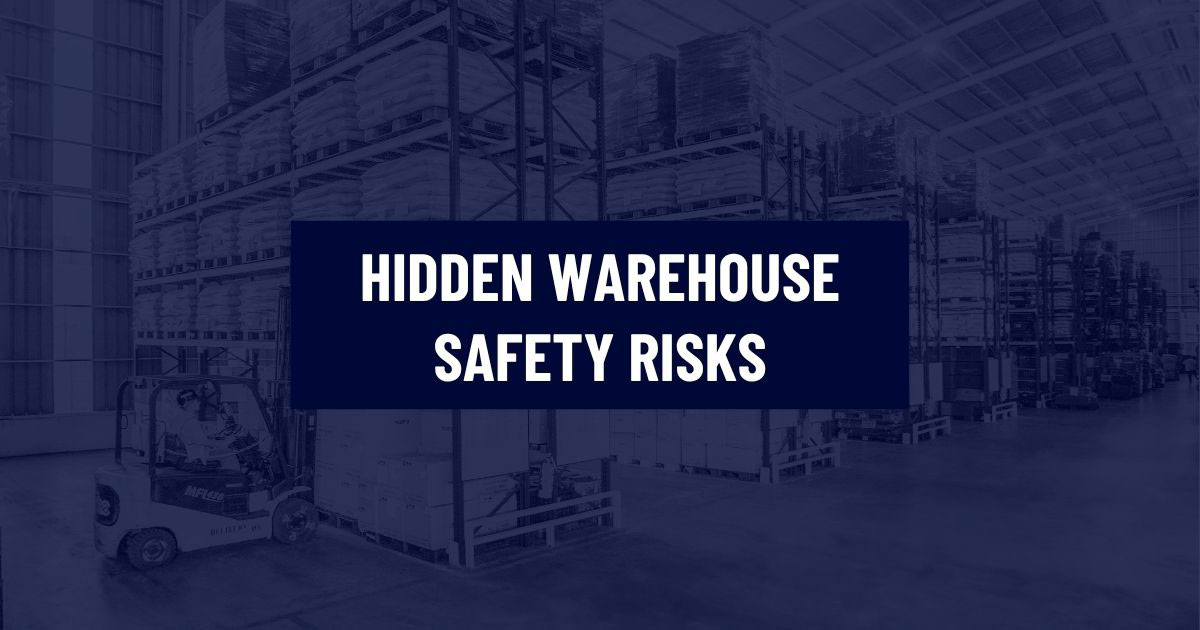
Across Canadian warehouse environments, racking systems are exposed daily to forklift traffic, shifting loads, and operational changes. Over time, even minor impacts or adjustments can compromise structural integrity and reduce safe load capacity.
At NAS Group, rack safety is treated as an ongoing responsibility that must evolve alongside warehouse operations, not a one-time check.
Why Pallet Rack Safety and Compliance Matters
Rack safety is not only about preventing visible damage. It directly impacts workplace safety, insurance exposure, and site operations. When racking systems are compromised or poorly maintained, the risks can include:
- Workplace safety incidents and injuries
- Insurance complications or failed audits
- Unexpected downtime due to system failure
- Reduced load capacity and inefficient storage use
As warehouses scale, reconfigure, or introduce new equipment, racking systems must be reviewed to ensure they continue to meet their original engineered design and safety requirements.
Common Signs Your Racking System May Be Unsafe
Many issues develop gradually and are easy to overlook during day-to-day operations. Common warning signs include:
- Uprights that are bent, dented, or out of plumb
- Beams showing visible deflection or signs of overloading
- Forklift impact damage on frames or supports
- Missing or improperly secured safety clips
- Unapproved changes to beam levels or layout configurations
- Increased near-misses or inefficiencies in aisle traffic
If any of these conditions are present, a professional rack inspection is recommended to assess system integrity and adherence to safety standards.
What a Rack Inspection Actually Identifies
A professional rack inspection goes beyond a visual walkthrough. It evaluates system performance, structural integrity, and compliance with applicable standards.
Inspections typically identify:
- Forklift impact damage
- Overloaded or improperly configured rack bays
- Frame alignment and plumbness issues
- Missing or deformed safety components
- Modifications that may have reduced original load ratings
Early detection helps prevent costly failures, reduces downtime risk, and supports ongoing alignment with safety standards. Depending on warehouse activity and forklift traffic, inspections are typically recommended annually, and more frequently in high-activity environments.
Certified Manufacturing and Structural Integrity
Safe rack performance starts with how the system is engineered and manufactured. NAS systems are built under strict quality standards, including:
R-Mark® Certification (RMI MH16.1-2023)
Confirms that racking systems meet recognized industry standards for design, manufacturing, and installation. This ensures systems are engineered for real-world warehouse conditions, not just theoretical load assumptions.
Canadian Welding Bureau (CWB) Certification
Ensures welding processes meet Canadian structural safety standards, supporting long-term durability in high-load and high-impact environments.
Rack Safety Services We Provide
Rack safety is not a one-time project. It requires ongoing assessment, maintenance, and engineering oversight as warehouse needs evolve.
Rack Inspections
Detailed on-site evaluations to identify risks and structural concerns before they escalate.
Rack Repair and Component Replacement
Replacement of damaged beams, uprights, and accessories to restore system integrity without full replacement.
Engineering and Layout Support
Custom engineering review for new or existing racking systems to ensure safe configuration and operational efficiency.
System Modifications and Reconfiguration
Safe adjustment of existing rack systems when layouts, inventory types, or equipment change, completed with engineering oversight to maintain regulatory adherence.
Why Ongoing Rack Safety Management Is Essential
Warehouse operations are rarely static. Inventory profiles change, equipment evolves, and layouts are frequently adjusted to improve productivity.
Without ongoing review, these changes can gradually reduce safety margins and increase risk.
A proactive rack safety strategy helps:
- Reduce risk of structural failure
- Maintain compliance with safety and insurance requirements
- Extend the lifespan of racking systems
- Improve warehouse flow and efficiency
Protect Your Facility with Proactive Rack Safety Management
Rack safety is a core part of warehouse risk management. From certified manufacturing and engineered system design to inspections, repairs, and modifications, each element plays a role in maintaining safe and compliant operations.
Addressing risks early helps protect your people, inventory, and long-term operational stability.
If your pallet racking has not been professionally inspected recently, now is the time to assess its condition before minor issues develop into larger risks.
NAS Group provides rack inspections, repairs, engineering support, and system modifications to help ensure your facility remains safe, compliant, and efficient. For more information speak with our team.
FAQ: Pallet Rack Safety
How often should pallet racking be inspected?
Routine visual checks should be performed regularly by warehouse staff, while qualified inspections are typically recommended at least once per year. High-traffic facilities may require more frequent evaluations.
What should I do if my pallet rack has been hit by a forklift?
Any impact should be assessed immediately. Even minor collisions can compromise structural integrity, and affected areas should be evaluated by experts before continued use.
Can damaged pallet racking be repaired or must it be replaced?
In many cases, damaged components such as beams or uprights can be repaired or replaced. The appropriate solution depends on the severity and location and should be determined through a technical evaluation.
Who is responsible for pallet rack safety?
Warehouse owners and operators are responsible for ensuring racking systems are safely used, maintained, and inspected. This includes staff training and prompt response to damage or changes.
Can pallet rack systems be modified after installation?
Yes, but all modifications should be reviewed by qualified professionals or engineers. Changes to layout, beam levels, or load requirements can impact performance and must be assessed.