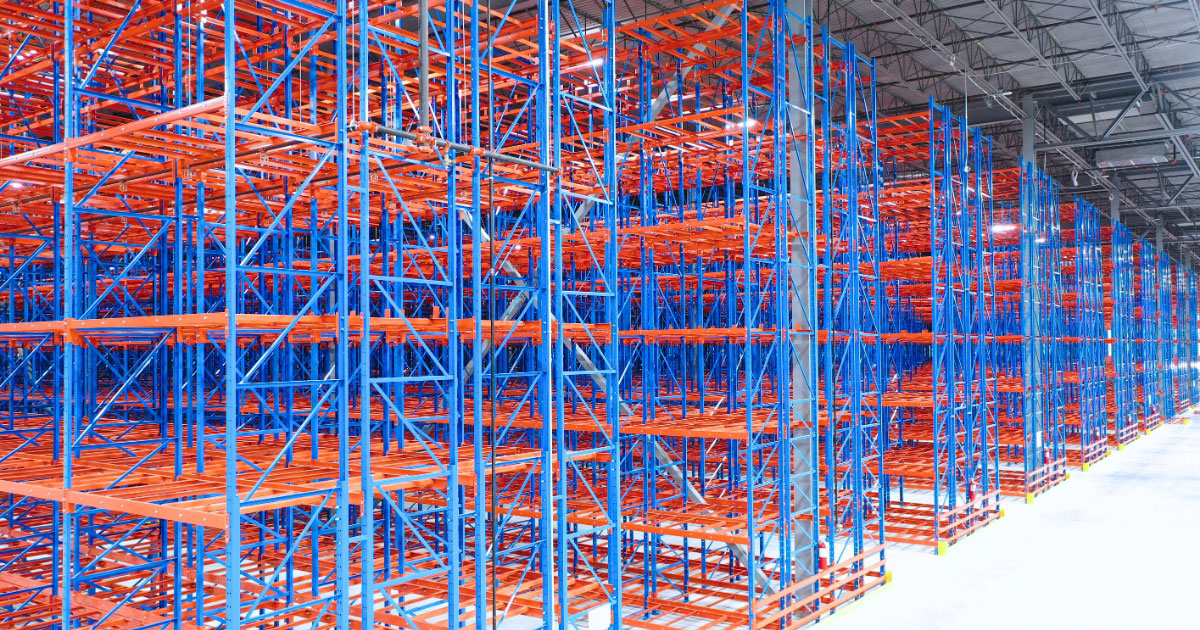
Not sure which pallet racking system is right for your warehouse in Canada? Choosing the right system can significantly impact storage capacity, workflow efficiency, and long-term scalability.
As a Canadian warehouse racking provider, we design and install engineered storage systems across British Columbia, Alberta, and Ontario.
With so many options available, the best solution depends on your inventory type, industry, and operational requirements. Below, we break down the most common pallet racking systems, what they’re best used for, and real-world applications to help guide your decision.
How to Choose the Right Storage System
Before selecting a system, consider these key factors:
- SKU count: High SKU variety requires selective access
- Product rotation: FIFO (First-In, First-Out) vs. LIFO (Last-In, First-Out)
- Throughput: Speed of receiving and picking
- Available space: Floor vs. vertical cube
- Equipment: Forklifts, reach trucks, automation
- Future growth: Scalability and flexibility
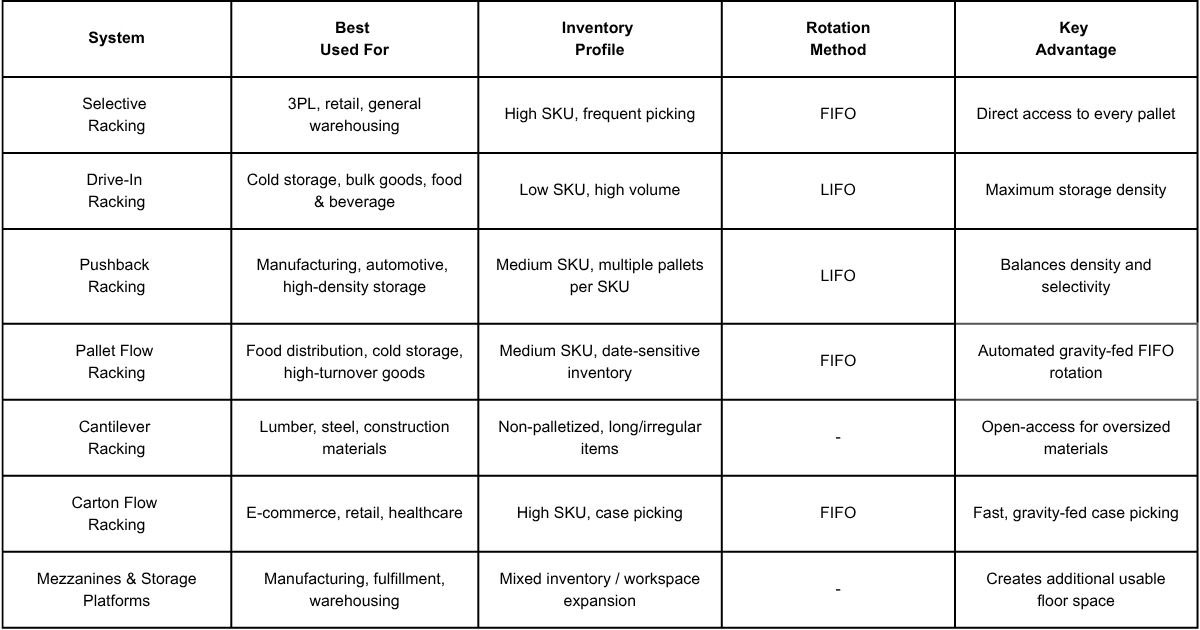
Pallet Racking Systems Comparison
Below is a comparison of common pallet racking systems used in Canadian warehouses based on density, selectivity, and application.
Selective Pallet Racking
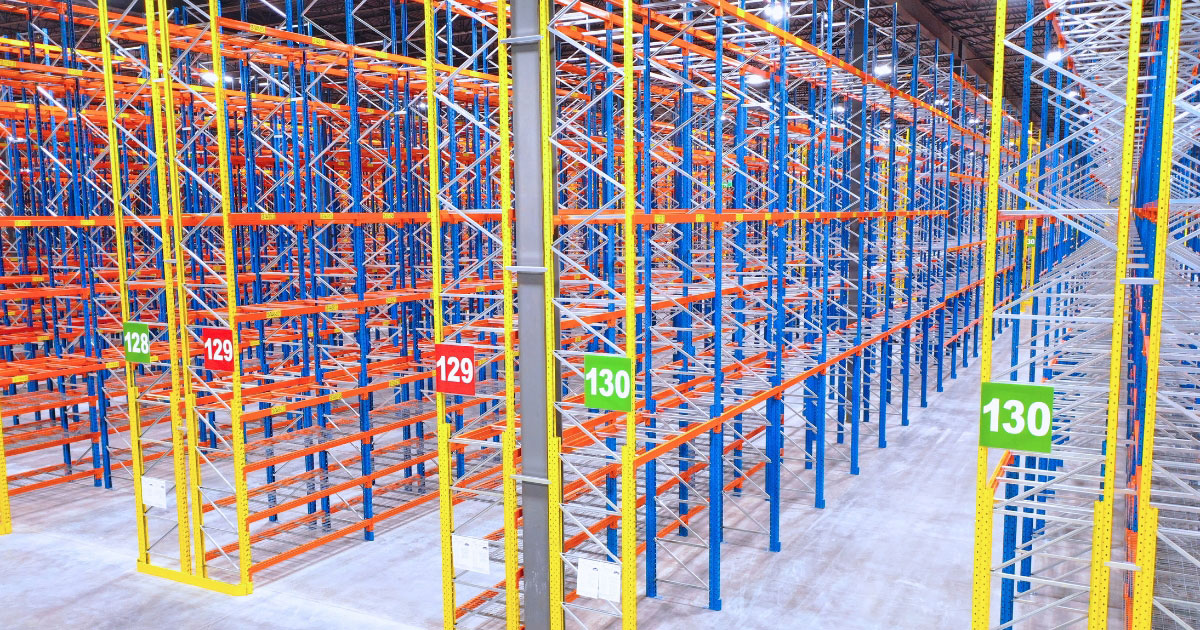
Selective pallet racking is the most common and versatile warehouse storage system, providing direct access to every pallet location. This makes it ideal for SKU-dense operations with frequent picking requirements.
Best for:
- 3PL and logistics operations
- Retail and wholesale distribution
- High SKU environments
- Fast-moving inventory
- Warehouses requiring flexible access
- Facilities scaling vertical storage (VNA applications)
Real-world example:
A project in Vaughn, Ontario featured a 62 ft tall very narrow aisle (VNA) selective pallet racking system, engineered to increase vertical cube utilization while maintaining full pallet accessibility for a high-SKU distribution operation.
Drive-In Racking
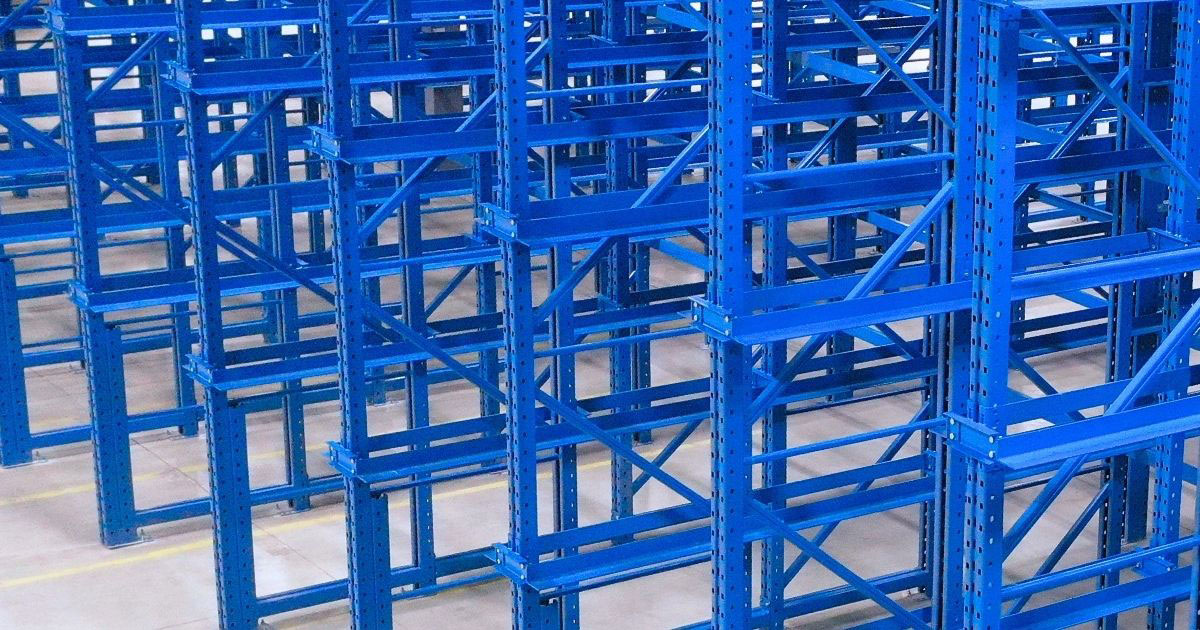
Structured for maximum storage density, drive-in racking allows forklifts to enter directly into racking lanes to store pallets deep, reducing aisle requirements.
Best for:
- Cold storage warehouses
- Food and beverage distribution centres
- Bulk inventory storage operations
- High-volume, low-SKU environments
Real-world example:
A beverage distributor in Edmonton, Alberta implemented a high-density drive-in racking solution that significantly increased pallet storage capacity within a cold storage environment while optimizing space for bulk material control.
Pushback Racking
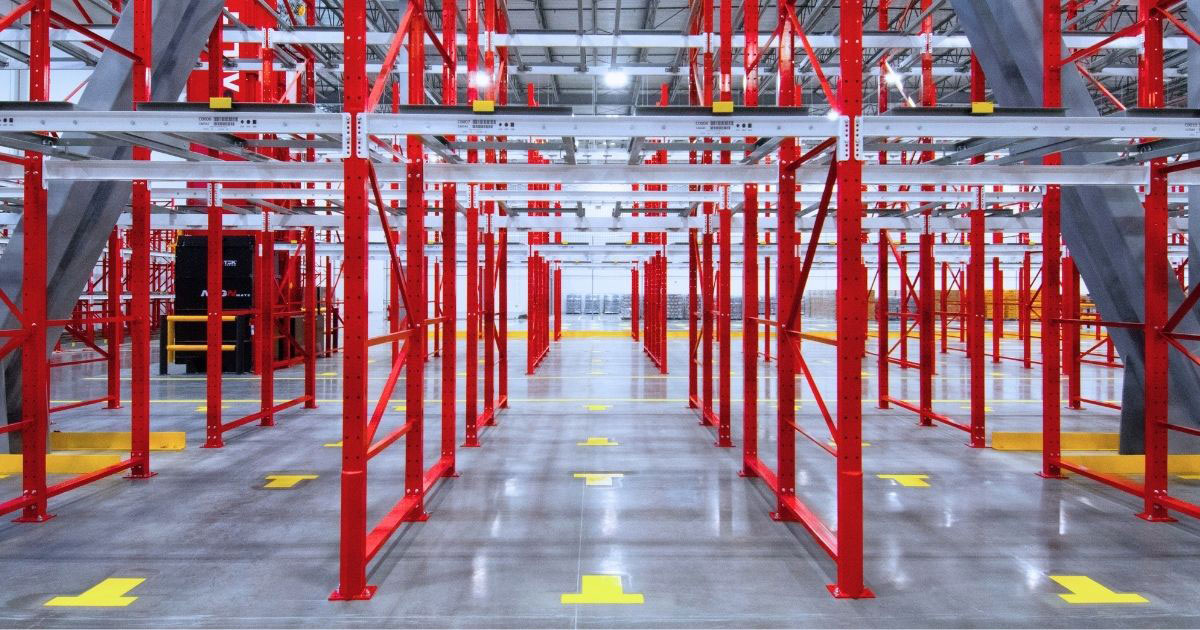
Pushback racking is a high-density storage system where pallets are stored on nested carts, allowing multiple pallets per lane with access from a single aisle. This improves storage density while maintaining selectivity compared to drive-in systems.
Best for:
- Automotive parts and manufacturing
- Beverage and non-perishable food products
- High-density pallet storage operations
- Medium-to-high SKU environments with multiple pallets per SKU
- LIFO inventory management
Real-world example:
A beverage bottling company in Richmond, BC implemented a multi-system racking solution combining pushback, drive-in, and selective racking that maximized storage density while maintaining pallet access in a high-volume distribution facility.
Pallet Flow Racking
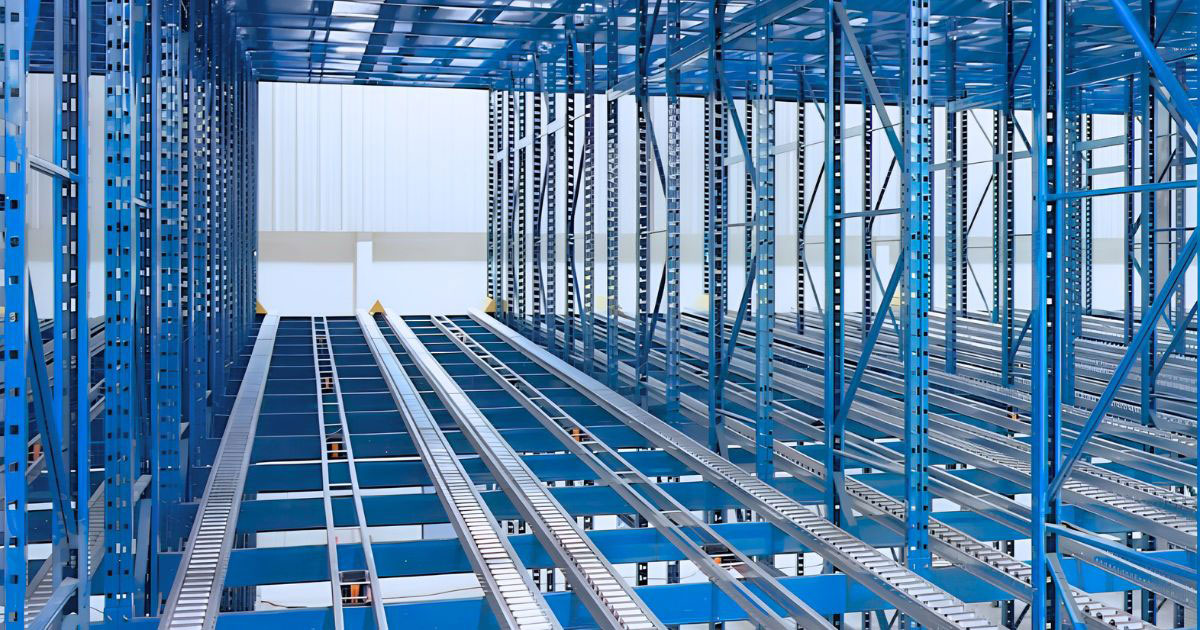
Pallet flow racking is a gravity-fed storage system that uses rollers to move pallets from the loading side to the picking face, ensuring FIFO product rotation for high-volume operations.
Best for:
- Food & beverage distribution
- Petrochemical storage and handling
- Cold storage environments
- High-volume, date-sensitive operations
Cantilever Racking
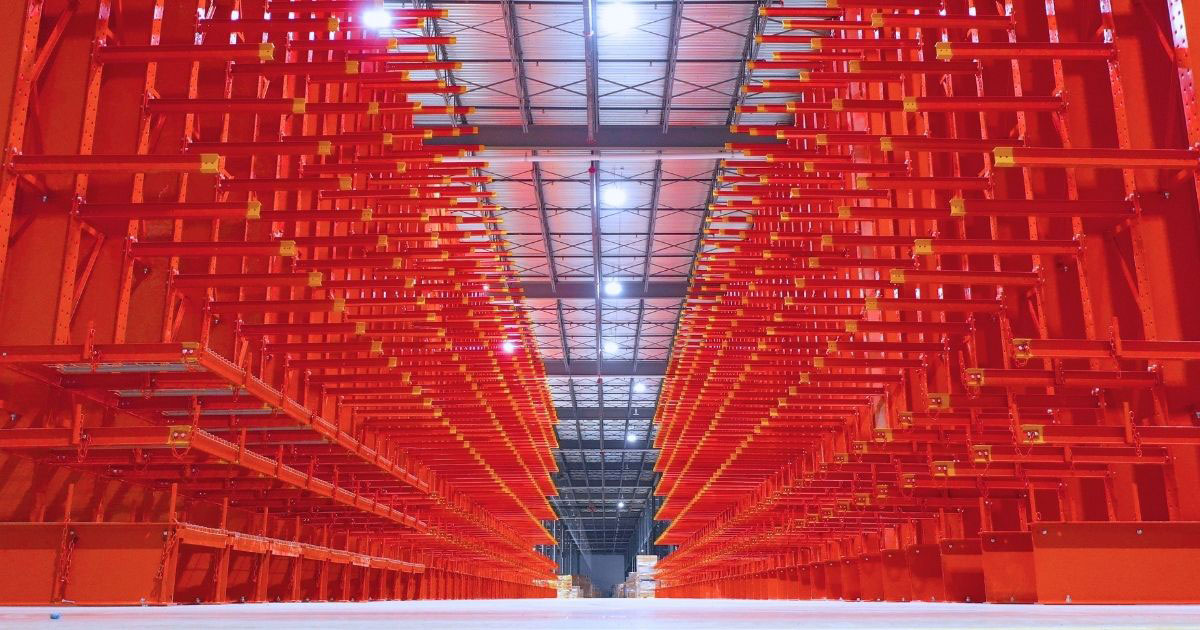
Designed for storing long, bulky, or irregular items such as lumber, piping, and steel. Cantilever racking systems provide unobstructed access, making them ideal for oversized material handling.
Best for:
- Building products and construction materials
- Lumber and wood products
- Steel, metal, and fabrication inventory
- PVC piping and plumbing materials
Real-world example:
A building materials distributor in Squamish, BC implemented a cantilever racking solution that improved storage and accessibility for long and bulky items such as piping, conduit, and structural materials.
Carton Flow Racking
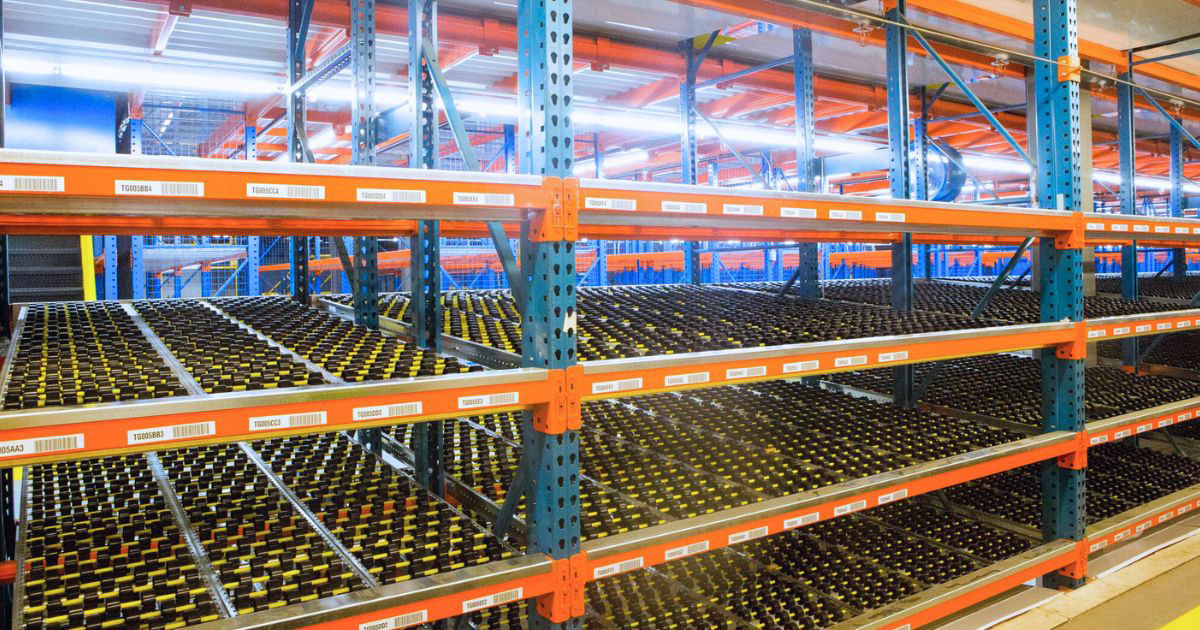
Carton flow racking is a dynamic picking system designed to optimize order fulfilment by using gravity-fed rollers to automatically move cartons or bins forward as items are picked, ensuring efficient stock rotation and fast picking access.
Best for:
- E-commerce fulfilment centres
- Healthcare storage and distribution
- Pharmaceutical inventory management
- High-SKU, fast-moving pick environments
Real-world example:
A retail distribution centre in Vaughan, Ontario implemented a combined selective pallet racking and carton flow racking solution that improved case picking productivity and optimized space utilization for high-SKU order fulfilment.
Mezzanines & Storage Platforms
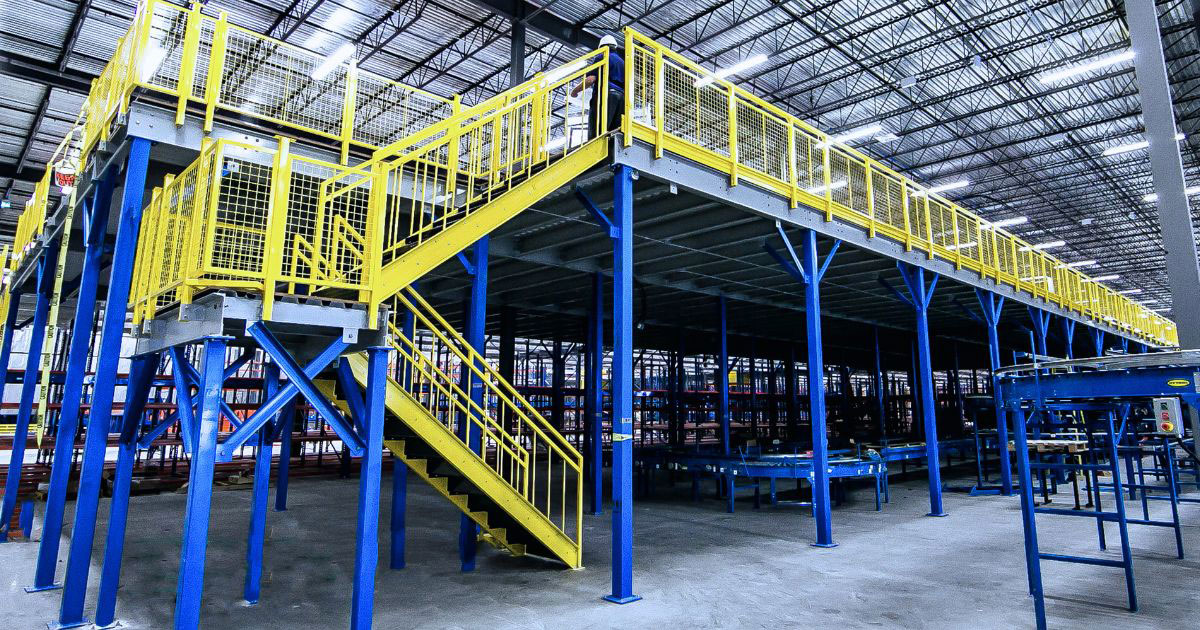
A structural multi-level system, including mezzanines and storage platforms, that increases usable floor area by leveraging vertical cube without facility expansion.
Best for:
- Manufacturing centres
- E-commerce fulfilment operations
- Automotive parts and service facilities
- Warehousing and distribution environments
- High-density storage or workspace expansion needs
Real-world example:
A parts distribution facility in Timmins, Ontario implemented a custom mezzanine storage solution that optimized usable floor space and improved picking efficiency within a constrained warehouse footprint.
Plan Your Warehouse for Long-Term Success
The right storage system should:
- Increase space utilization
- Streamline workflow
- Support safety and compliance
- Scale with your growth
Working with an experienced provider ensures your system is engineered to meet your operational needs today, and in the future.
Get Expert Guidance on Your Storage System
Not sure which solution is right for your facility? Our team designs and installs custom warehouse storage systems across Canada.
Contact us today to schedule a warehouse layout consultation and optimize your storage space.
FAQs: Choosing the Right Pallet Racking System
What is the most common pallet racking system?
Selective pallet racking is the most widely used system due to its flexibility and direct access to every pallet, making it ideal for high-SKU environments.
What is the difference between FIFO and LIFO racking systems?
FIFO systems, such as pallet flow, ensure the oldest inventory is picked first. LIFO systems, such as pushback and drive-in racking, prioritize the most recently stored pallets.
Which pallet racking system is best for cold storage?
Drive-in and double deep selective racking are commonly used in cold storage due to their ability to maximize space and support high-density storage.
How do I choose the right racking system for my warehouse?
The best system depends on SKU count, inventory rotation, throughput, available space, and future growth requirements.
What are the main types of pallet racking systems?
The main pallet racking systems include selective, drive-in, pushback, pallet flow, and carton flow. Each is designed for different storage needs, balancing accessibility, density, and inventory rotation.
Article originally published to A+D Wire.